

Brighter Table: The Case for Plant-Forward Kids
A quick guide for busy parents
Want to give your growing family a nutritional edge? Consider adding more plants to your family’s weekly meal line-up!
Being plant-forward doesn’t need to be complicated. Just add more fruits, vegetables, whole grains, beans, and nuts to the plate, alongside whatever else your family already eats. Nothing needs to be taken away. ‘Lettuce’ explain why it's worth the effort!

Fantastic Fiber
Most children in the U.S. aren’t eating enough fiber. Why does this matter?
Fiber is an important nutrient that helps keep kids fuller for longer (i.e reduces hanger), promotes healthy digestion (i.e fewer tummy troubles), and feeds the gut bacteria increasingly linked to better immune health and mood (i.e fewer runny noses and mini meltdowns).
How much fiber do kids really need? A simple rule of thumb pediatric nutritionists use: a child's age + 5 = their daily fiber target in grams. Most kids fall well short of that, and it's not because parents aren't trying! One U.S. study found that only about 1 in 8 preschoolers meets fiber recommendations, and most children, teens, and adults alike similarly come up short.
The good news: fiber-rich foods are everywhere once you know where to look (spoiler alert: plants!) and there’s a million ways to help your family hit their daily fiber targets.
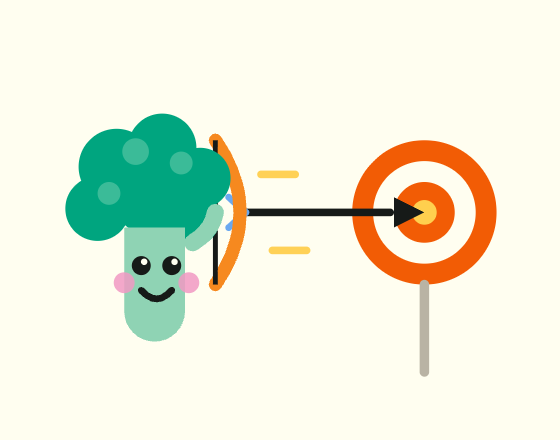
Vitamins and minerals: The Real MVPs (most valuable plants)
Fruits and veggies are nutritional powerhouses, packed with a wide range of vitamins and minerals that kids need to grow and thrive. Unfortunately, CDC data show roughly 6 in 10 kids don't get enough fruit, and 9 in 10 don't get enough vegetables. By prioritizing plants, you can help give your family a vitamin boost. Vitamin A, vitamin C, folate, magnesium, potassium, and yes, even protein, can be found in abundance in plants.
Building Healthy Habits for Life
Kids who regularly eat a variety of fruits, veggies, and other plant-based foods early in life are more likely to accept these foods later on! Putting more plants on the plate can help your children build healthy habits that will last a lifetime.
More bang for your buck!
When it comes to affordable protein, beans and lentils are the way to go. Dried or canned, they're often just pennies per serving, and a single pound of dried black beans can stretch across several meals for a fraction of the cost of meat. A 2024 JAMA Network Open study found that a low-fat, plant-based diet cut daily food costs by 19% (roughly $650 a year). They hold up great in the fridge or freezer too, making meal-prepping a cinch! Toss a can into soups, tacos, or grain bowls and you've got a simple way to boost fiber and protein without boosting your grocery bill.
Progress over perfection (baby steps, big wins)
Try these plant-powered tips!
Add, don't subtract. Put more vegetables, fruit, beans, or whole grains on the table at every meal, alongside the foods your family already eats.
Beans count. Black beans, chickpeas, and lentils pack a double punch of fiber and protein all in one. They’re also highly versatile and budget-friendly!
Repeat exposure: Kids often need to taste a new food 8 to 15 times before they decide they like it. Keep offering, keep it low-pressure, and let them come around on their own timeline.
It's okay if today wasn't the day. One skipped vegetable, one picky-eater dinner, doesn't undo the healthy pattern you're building over weeks and months. Turnip tomorrow and try again.
A brighter planet, too
Plant-forward meals are also good for the planet your kids will inherit — every plant-forward meal supports a more sustainable food system, one small step toward a healthier, brighter future for the next generation.
Brighter Table is a nonprofit supporting plant-forward school food and family nutrition. This resource is for general education and isn't a substitute for medical or nutrition advice from your child's doctor or a registered dietitian.
